Sea ice forecasts -in a box- for informed Arctic Navigation
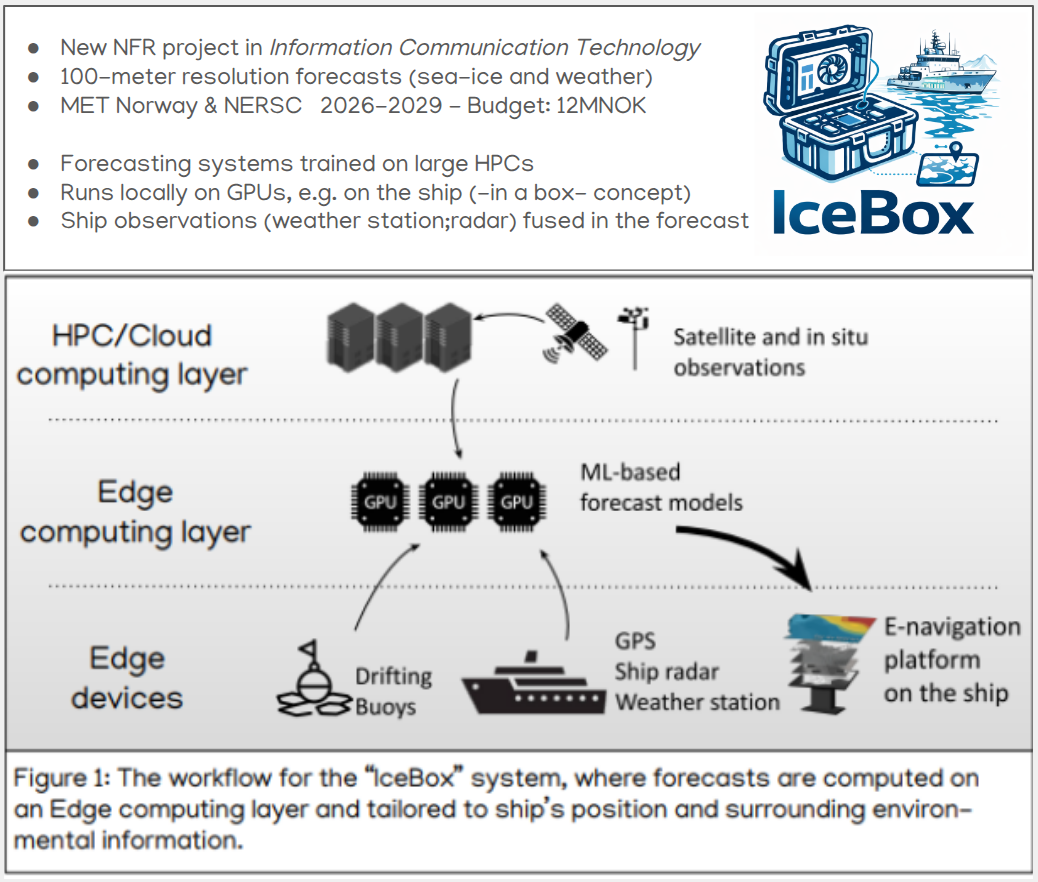
The concept
The project team
Norwegian Meteorological Institute, Norway
Dr. Malte Müller is the lead-PI of the IceBox project. Malte is a senior scientist at the Norwegian Meteorological Institute. His research interests include high-resolution coupled ocean, sea-ice, and atmosphere modelling and the provision of weather and climate information to end-users.
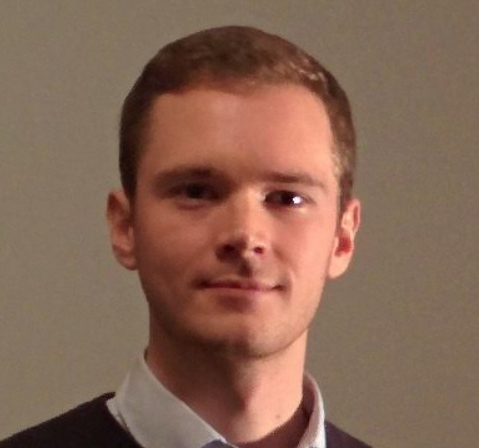
Dr. Jean Rabault co-leads Work Package 1. Jean is a senior engineer at the Norwegian Meteorological Institute. His research is at the interface between hardware development, machine learning, and oceanography. In particular, Jean has developed the OpenMetBuoy and been involved in collecting large dataset of sea ice drift, waves in ice, and temperature in the Arctic which are used to further develop and validate sea ice models.
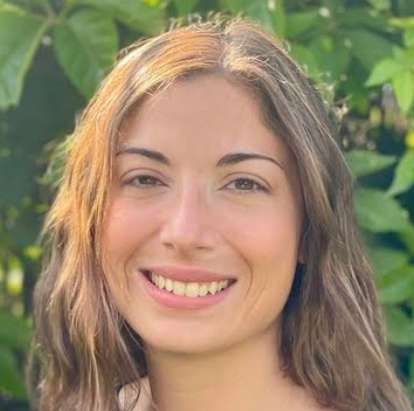
Dr. Paulina Tedesco leads Work Package 2. Paulina is a researcher at the Norwegian Meteorological Institute. Her research focuses on applying machine learning techniques for weather and ocean modelling, particularly in the Arctic.

Håvard Futsæter is PI and leads Work Package 3. Håvard is at the Norwegian Meteorological Institute (MET) and is an expert in IT architecture development, and co-PI in the Forecast-in-the-Box DestinE project.
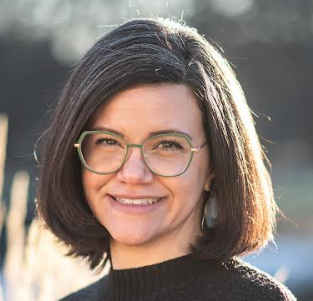
Dr. Dina Abdel-Fattah leads Work Package 4. Dina is a researcher at the Norwegian Meteorological Institute and the manager of the International Coordination Office of the WMO-WWRP Polar Coupled Analysis and Prediction for Services (PCAPS) project. Her research interests include optimising the co-production process of scientific information products such that they reflect and support different user needs, particularly in a polar and cryospheric hazard context.
Nansen Environmental and Remote Sensing Center, Norway
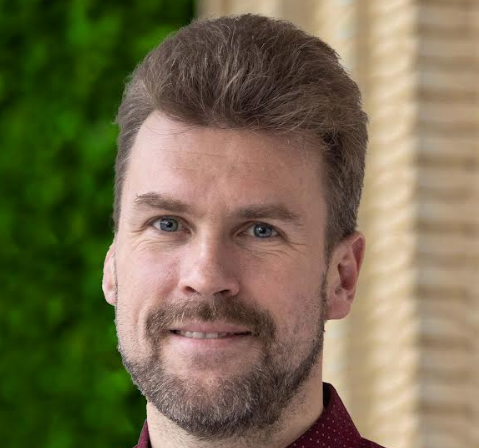
Dr. Anton Korosov leads Work Package 1. Anton Korosov is a senior researcher at NERSC with expertise in SAR and passive microwave observations of sea ice properties, including sea ice type, sea ice drift and deformation, and sea ice age. He develops assimilation of sea ice concentration and damage into the Lagrangian sea ice model (neXtSIM) and a platform for operational forecasting of sea ice.
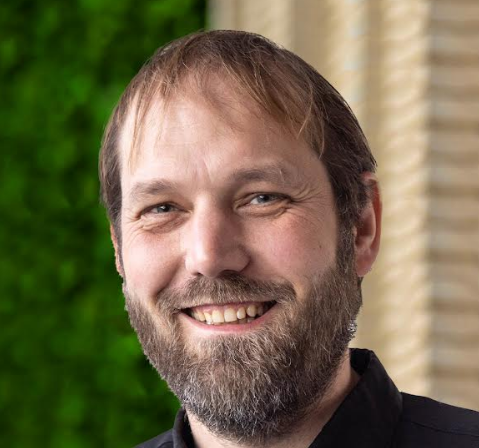
Dr. Julian Brajard is co-PI and co-leads Work Package 2. Julian is a researcher at NERSC and an expert in machine learning-based sea-ice forecasting, currently leading projects with Copernicus Marine Service (CMS) and the European Space Agency (ESA).
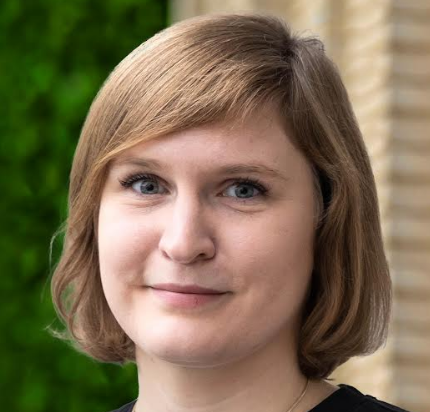
Henrike Wilborn leads Work Package 5. She is a communication advisor at NERSC and has a background in geosciences.